

APAEB
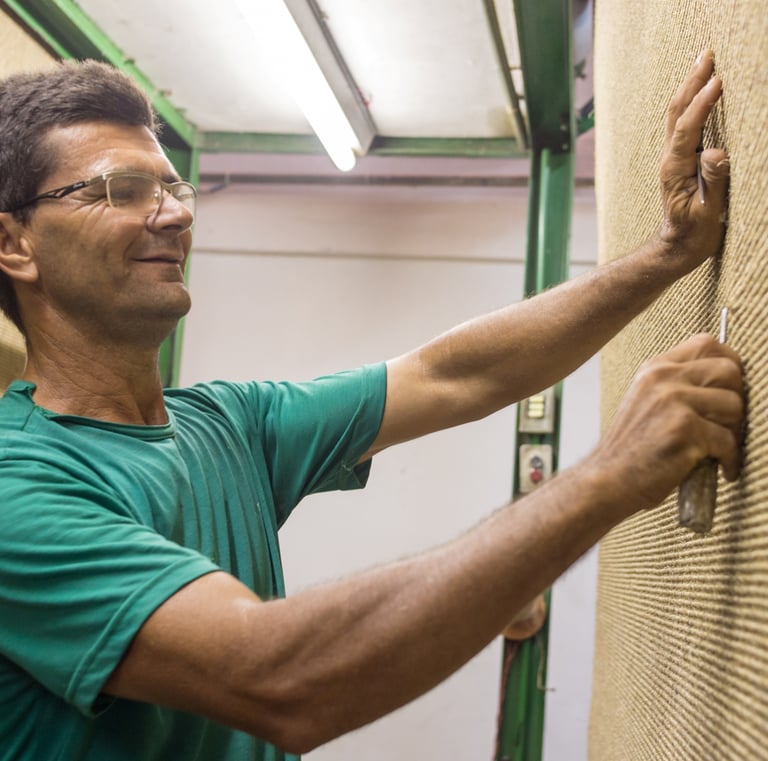
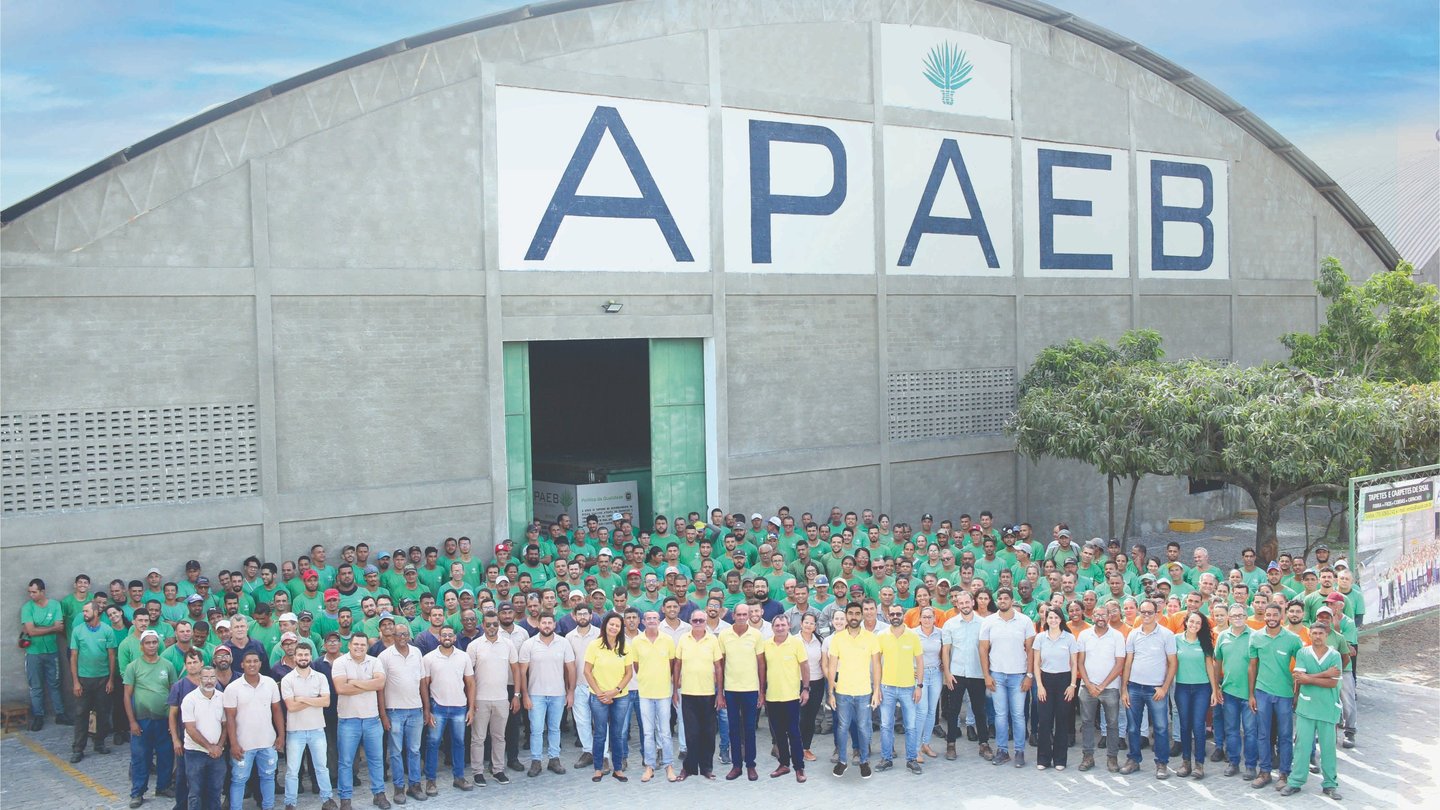
APAEB Sisal, the Community Association for the Production and Marketing of Sisal, is a non-profit organization formed by small rural sisal producers that, through the purchase and processing of fiber extracted from the Agave Sisalana plant (Sisal), generates employment and income in the Sertão region of Bahia. Founded in 1980, we currently have more than 200 active members and more than 400 direct employees, having a significant socio-economic impact on the municipality of Valente and the entire region.
How it all started
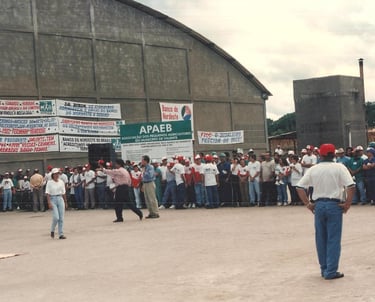
In the 1970s, still during the military regime, the first initiatives aimed at organizing civil society as a strategy for intervention in its territory emerged, always stemming from the work of Basic Ecclesial Communities of the Catholic Church. In the mid-decade, pastoral actions turned to the struggle of workers to take control of the Rural Workers' Union, which was then dominated by conservative political forces.
The first economic activities
Sales Outlet and Community Warehouses
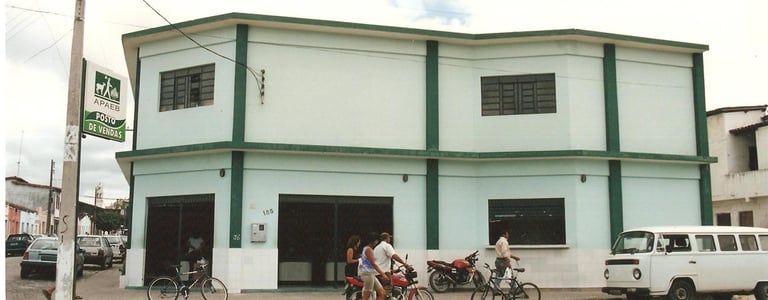
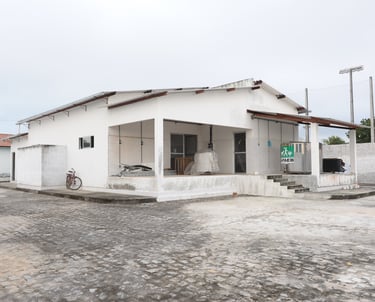
In 1981, the "economic" history of APAEB in Valente began with the inauguration of the Sales Post for the commercialization of products from family farming. This first economic activity aimed to offer low-priced products to the community and guarantee the sale of products from small rural producers in Valente and the surrounding region.
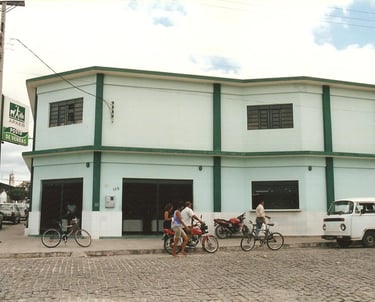
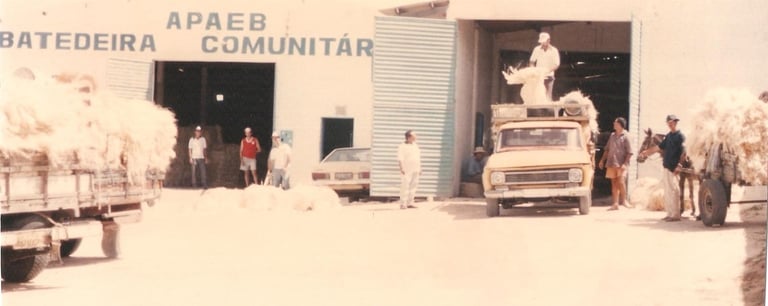
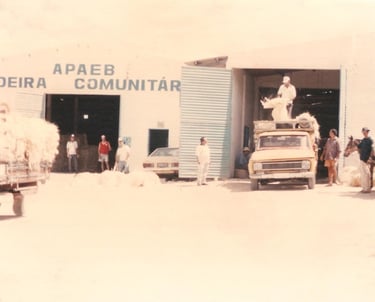
At the end of the 1980s, APAEB began exporting processed sisal fiber from its community processing plant, and during a visit to one of its clients in Europe, they learned about a carpet factory. From then on, they began to develop a larger project: the establishment of an industry in the region.
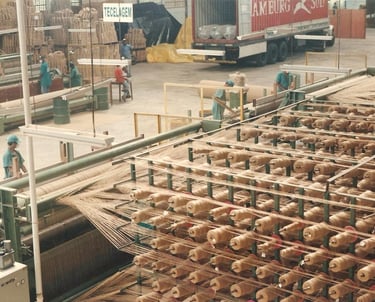
After many negotiations with banks and international entities, in 1996, the APAEB Sisal Carpet and Rug Factory was established. From then on, the Association began to directly impact the economy of Valente and the surrounding region, not only in generating employment and income, but also in public policies for small rural producers. With the industry, hundreds of jobs were created and the average price of the fiber was adjusted, adding more value to the entire chain.
From then on, the Association began to achieve significant financial results, and these results began to fund several other social and environmental projects, some of which are maintained to this day.
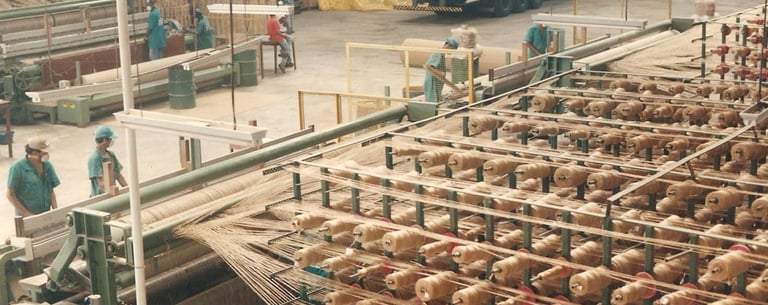
Since 2011, the APAEB industry has been in constant expansion. Currently, it has over 400 direct employees working in two shifts and has more than doubled its production capacity. It has an installed capacity to produce over 150,000 m² of rugs and carpets and processes approximately 1200 tons of fibers per month, which are sold in Brazil and in more than 30 countries in the form of rugs, carpets, doormats, yarns, ropes, fibers, fabrics, bags, and others.
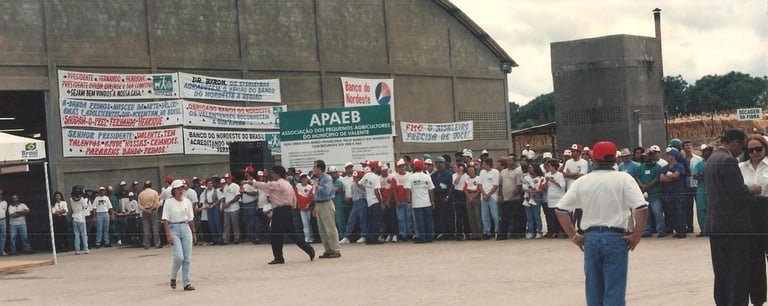
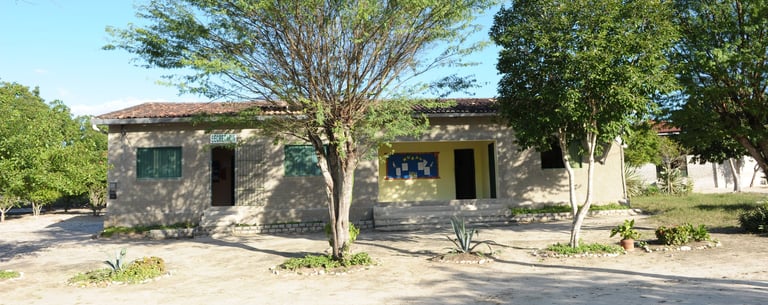
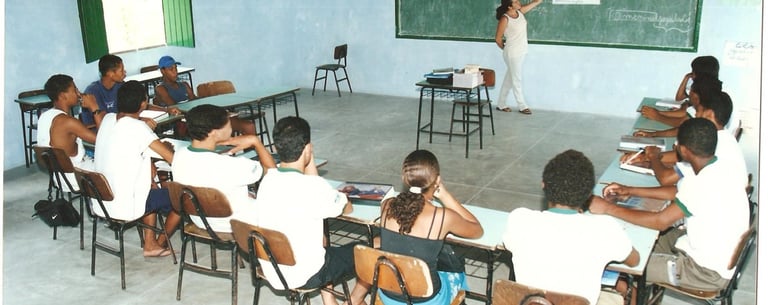
Family Agricultural School (1996)
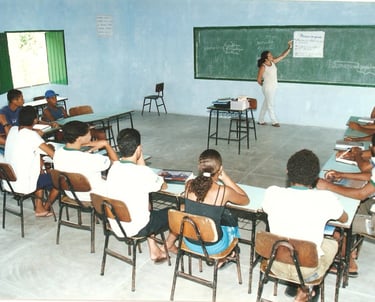
The school, created in 1996, is part of a larger project involving national and international schools that share the same philosophy, combining theoretical teaching with practice, following the "alternating principle," in which students alternate periods of boarding school with periods at home (every 15 days), where they can put into practice what they have learned at school, as well as having the opportunity to pass it on to their parents. The focus is on learning to live with the semi-arid environment. These actions promote interest in the local economy, help in the training of entrepreneurs, and keep children in school, preventing child labor. This brings benefits in terms of quality of life, increased income for producers, helps preserve the region's fauna and flora, and also reduces rural exodus. Currently, the EFA is managed by the APAEB Foundation, with support also from the State Government and other entities.
Post-Industry Projects
The Carpet and Rug Industry
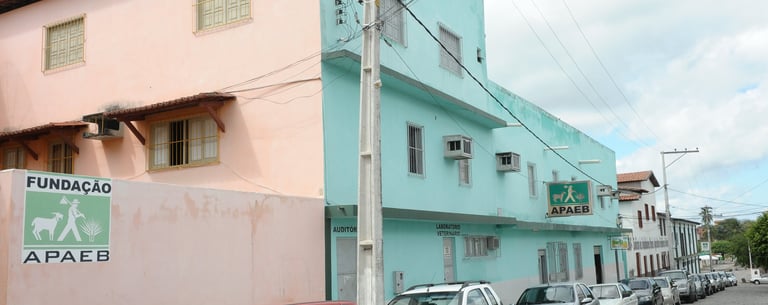
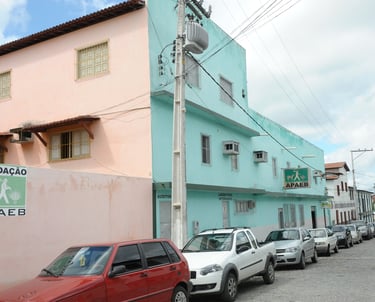

At the end of the decade, under the guidance of the Rural Pastoral, small rural producers from different cities, including Valente, joined together to demand exemption from the Tax on the Circulation of Goods (ICM, now ICMS) for the surplus of agricultural production destined for the market. From there arose the idea of forming a "Regional Cooperative" to take over this commercialization. As the legislation did not allow the formation of cooperatives solely for farmers, they opted for an associative entity. Founded in 1980 with the support of the Community Organization Movement (MOC), APAEB (until then the Association of Small Farmers of the State of Bahia), with its headquarters in Serrinha, had branches in Araci, Ichu, and Feira de Santana.
As a non-profit organization, its focus was on providing solutions to the problem of marketing agricultural products, mainly sisal. After initial experiments in storage and marketing, APAEB turned to finding alternatives for living with the semi-arid climate, from a perspective of sustainable regional development. Its main struggle at the time was to help small rural producers organize production and eliminate intermediaries in marketing, guaranteeing greater value for agricultural products.
The group that gave rise to APAEB initially encountered significant resistance from large landowners and local politicians due to economic interests. Furthermore, there were difficulties working with small farmers, who did not see the benefits the association could bring them. At the same time, even public officials viewed the emergence and operation of an independent association with suspicion. However, the Valente branch quickly distinguished itself, impacting the economic development of the municipality.


Valente FM Community Radio (1998)
The first legally licensed radio station in the region, it was created with the aim of contributing to improved communication in the area. An independent project that continues to operate to this day.
DaCabra Dairy (1999)
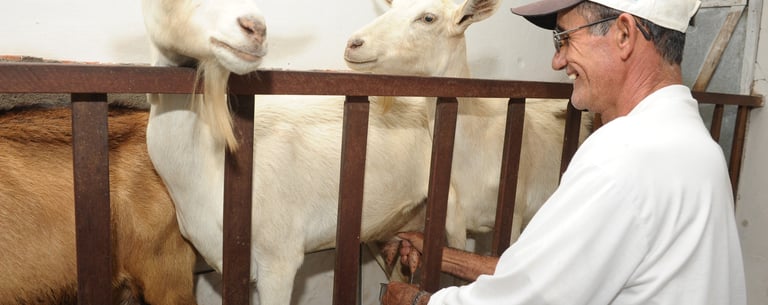
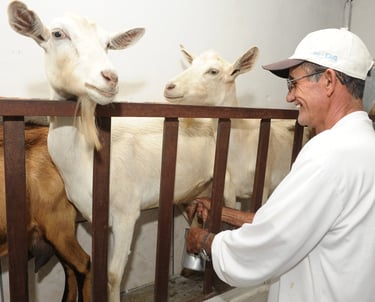
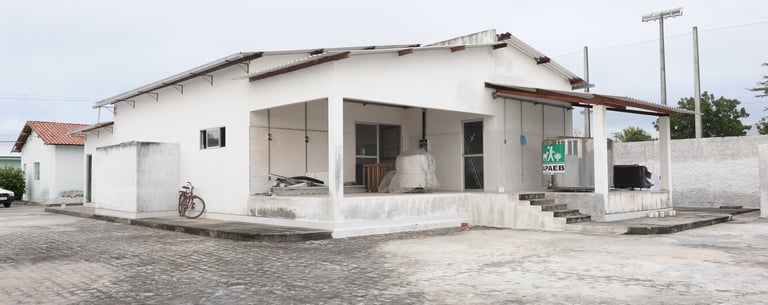
Highly valued in the market, goat milk had no market in the region until 1999. With the creation of the dairy, APAEB provided the necessary technical assistance to teach producers the correct management of goats and began buying the milk for processing. Currently, it is an independent association and produces frozen pasteurized milk, dulce de leche, yogurts of various flavors, and different cheeses.
SertãoNet Internet Provider (1999)
The first internet provider in the region, it provided network access to the Association and the entire population starting in 1999.
APAEB Social and Recreational Club (2001)
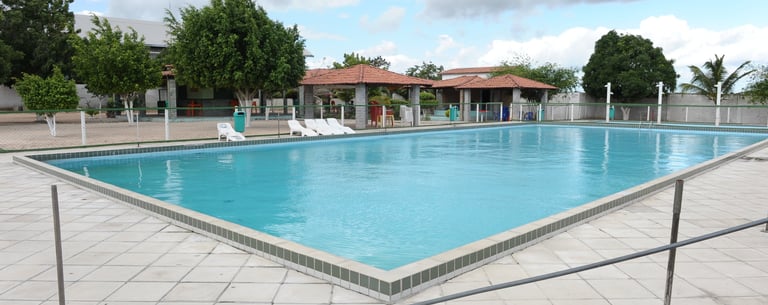
Created as a leisure and recreation space for the population, the Social and Recreational Club has a swimming pool with water slides, a multi-sports court, a soccer field, and playgrounds. A symbolic monthly fee is paid by employees and members for the maintenance of the space.
Brazil House (2005)
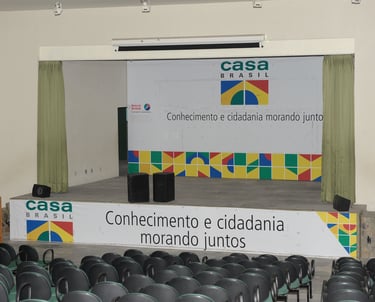
Brazil House is a convention center with ample space for over 300 seated people, housing a cinema, theater, music and computer classes, and several partnerships, such as Sala Futura. Built through community efforts, it is a landmark space in the entire region.
APAEB Foundation (2005)
With the aim of focusing on social and environmental activities that generated revenue (called socioeconomic projects), in order to guarantee their sustainability and the long-term maintenance of the Project as a whole, the APAEB Foundation was created. This meant that strictly social projects (those that depended on donations and partnerships to be maintained) were separated and their management became the responsibility of the Foundation.
Other Projects
Several other projects deserve mention. Some projects were started and completed, such as the Honey House Project and the Goat Leather Tannery Project. But other projects were started by APAEB and today continue without direct links, among which we can highlight COOPERAFIS (Artisans' Cooperative) and Sicoob-Coopere (Credit Cooperative).
Community Sisal Mixer
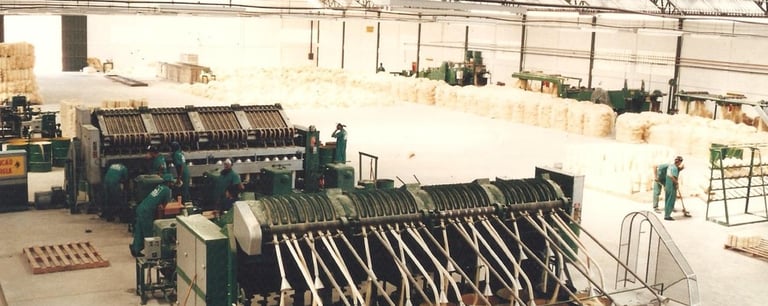
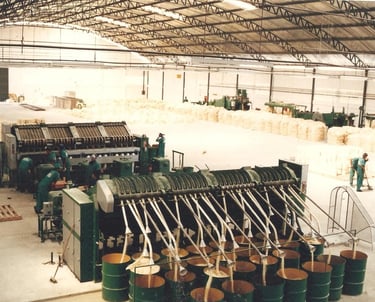
In 1984, the Community Sisal Processing Plant was established, which is the processing unit responsible for the first stage in the industrialization of sisal. This allowed the farmers themselves to process the fiber, which was previously only sold to middlemen (intermediaries between producers and industries), adding value and improving the margin for small producers. This facility was designed to process the sisal and sell it at better prices, benefiting thousands of sisal farmers.
A sustainable choice
When you purchase a product from APAEB, you are directly contributing to the sustainable development of the region through our activities. Because it is an association, APAEB does not have an owner, and the proceeds from the sale of its products are not distributed; they are mandatorily reinvested in expanding activities and maintaining socio-environmental projects.
The APAEB family thanks you!
Sustainability and Sisal
What is sisal?
Sisal is a natural, sustainable, and biodegradable fiber, ideal for a variety of products. The species cultivated in Brazil is Agave Sisalana, hence the name "Sisal".
What are the benefits of sisal?
In addition to being beautiful, products made with sisal fiber are durable, resistant, and contribute to environmental preservation, making them an eco-friendly choice.
How is sisal produced?
Sisal is the name given to the fiber extracted from the Agave sisalana plant, which is grown sustainably without pesticides
Is sisal biodegradable?
Yes, sisal decomposes naturally, reducing its environmental impact.